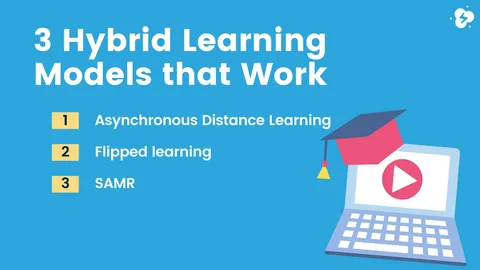
Hybrid learning blends synchronous and asynchronous formats, expanding access while introducing design complexity. Engagement depends on aligning objectives, activities, and assessment across modalities. Clear structure helps learners navigate choices without confusion, while flexibility accommodates diverse contexts and pacing. Successful hybrid experiences feel cohesive rather than fragmented between online and in person moments.
Learning Objectives and Backward Design
Backward design anchors activities to outcomes. Clear objectives guide selection of media, interactions, and assessments. Chunked content supports varied attention spans and schedules.
Facilitation and Interaction
Interactive checkpoints, peer discussion, and timely feedback sustain participation. Clear norms set expectations for preparation and contribution across formats.
Evaluation and Support
Formative assessment guides timely support. Analytics highlight disengagement early, enabling targeted intervention that preserves momentum.