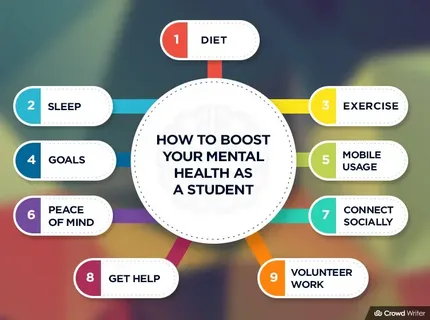
Daily routines create predictable anchors in uncertain environments. Simple rhythms around waking, movement, work transitions, and rest reduce cognitive load and stabilize mood. Routines should remain flexible to adapt to context rather than becoming rigid schedules that collapse under pressure. The aim is to make supportive behaviors the default choice, lowering friction for healthy actions during busy days.
Protective Building Blocks
Daylight exposure, gentle movement, and brief breathing resets lower baseline stress. Regular check ins with supportive people buffer isolation. Small pauses between tasks help regulate attention and emotion across the day.
Noticing Early Signals
Changes in sleep, irritability, or concentration signal overload. Brief tracking over a few weeks reveals patterns that point to practical adjustments. Removing late night screen use often improves sleep quality quickly.
Adaptive Updates
Routines should evolve with changing demands. Periodic reflection helps update habits without guilt. Compassionate adjustments sustain mental health over the long term.